Three Interesting Bear Market Charts and A Few Links

Welcome to the bear market ! The recent bull market was the most hated bull market in history. As such it was time for the bear to take over. Below are a few bear market charts and links to posts from the past:

1.10 Worst US Bear Markets in History

Click to enlarge

Source: Money Morning

2.S&P Bear Markets:

Source: History Of U.S. Bear & Bull Markets Since 1929 , Gold Eagle

3.Bull and Bear Markets by Length
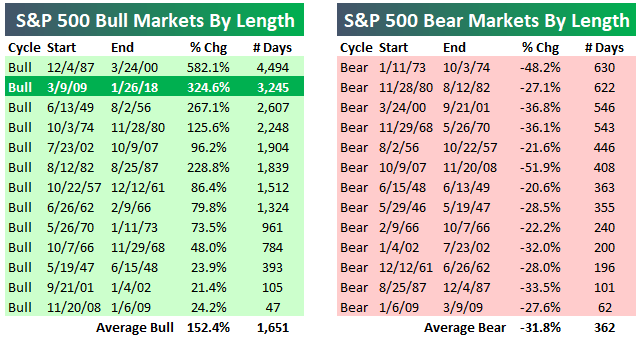
Source: Beposke

Bear Market posts from the past:

Coronavirus Test Kit Costs Just About $130. Then Why Can’t The US Afford To Have Enough?

The US is struggling like a third-world country to contain the current Coronavirus pandemic. The wealthiest country in the world says it does not have enough test kits available to test millions of people to identify and isolate the infected. Other countries like South Korea, Singapore, Taiwan have been successful in containing the virus spread. While the US healthcare system is already a disaster compared to other developed countries the current crisis exposes the fatal flaws of the “system” even more.

According to an article in The Asia Times, the test kit is highly affordable at just about $130 in South Korea. Then why is the US unable to buy enough and test a large section of the population on a daily basis. Even if we assume if it costs $13,000 per kit accounting for all the legalized price gouging in the health care industry, it is still affordable by the state and health insurance firms.

From the article in The Asia Times:

South Korea has the dubious distinction of suffering the second-highest number of  Covid-19 infections after China – but can also boast the lowest death ratio among countries with significant numbers of cases.

According to the WHO on March 6, the crude mortality ratio for Covid-19 – that is, the number of reported deaths divided by the number of reported cases – is between 3-4%. In Korea, as of March 9, that figure was a mere 0.7%.

While, 7,478 cases were confirmed in South Korea by the Korea Center for Disease Control and Prevention (KCDC) on Monday, only 51 have died. Meanwhile, according to data from John Hopkins University, Italy has 7,375 cases and 366 deaths, while Iran has 7161 cases and 237 deaths.

Amid the outbreak, neighboring China has used a “Great Wall” strategy to cordon off entire cities. South Korea has stuck to a liberal playbook: even its most affected city, Daegu, has not been isolated. This makes Seoul’s apparent success in the struggle against Covid-19 a potential benchmark for other affected democracies.

What is behind Korea’s low fatality rate from a virus that has spooked the world? Government briefers speaking to foreign reporters in Seoul on Monday offered some pointers.

Key factors include a robust national health service; prior experience of virus outbreaks and related preparations; aggressive execution of testing, isolation and treatment protocols, fully backed by the law – and two incidences of good fortune.

Source: Why are Korea’s Covid-19 death rates so low?, Asia Times

Here is an excerpt from another article reviewing the response of the US:

Both Hong Kong and Singapore continue to find a few new cases each week, but they’ve avoided the explosive outbreaks that have occurred elsewhere.

Ashish Jha, who runs the Harvard Global Health Institute, says the response to the coronavirus has varied dramatically around the world. “Some countries have been very aggressive and have actually done quite a good job,” he says. “Other countries have been quite lackadaisical and, I think, have suffered immensely from it. And I think there are lessons to be learned for all of us.”

Italy and Iran both fall in the latter category. Jha says that before cases of COVID-19 were first diagnosed, Italy and Iran appeared to be in denial about the disease.

“I mean, you had the Iran deputy health minister coughing on national television talking about coronavirus,” Jha says. “But really not taking it seriously.”

That deputy health minister later tested positive for the virus.

As people started to get sick, neither Italy nor Iran did much testing. They were slow to stop mass gatherings. Eventually both countries were overwhelmed with cases.

So how has the United States’ response been?

“Our response is much, much worse than almost any other country that’s been affected,” Jha says.

He uses the words “stunning,” “fiasco” and “mind-blowing” to describe how bad it is.

“And I don’t understand it,” he says incredulously. “I still don’t understand why we don’t have extensive testing. Vietnam! Vietnam has tested more people than America has.” (He’s citing data from earlier this week. The U.S. has since started testing more widely, although exact figures still aren’t available at a national level.)

The Centers for Disease Control and Prevention started screening overseas travelers for coronavirus in mid-January. But the initial test kits developed by the CDC were flawed, and it took weeks to sort out the problems. It’s only this week that wide-scale testing has started to become available in the United States.

Jha believes that the weekslong delay in deploying tests — at a time when numerous other tests were available around the world — has completely hampered the U.S. response to this crisis.

“Without testing, you have no idea how extensive the infection is. You can’t isolate people. You can’t do anything,” he says. “And so then we’re left with a completely different set of choices. We have to shut schools, events and everything down, because that’s the only tool available to us until we get testing back up. It’s been stunning to me how bad the federal response has been.”

Source: Singapore Wins Praise For Its COVID-19 Strategy. The U.S. Does Not, NPR

You can checkout this piece at FT published last week:

Instead of focusing on important things below are some things that were doing in the past months:

  • Impeachment Drama
  • Trump Tax Return Soap Opera
  • Some Hollywood moron that did awful things to women
  • Planning a war with Iran by killing some no-name military General that nobody knows
  • Celebrity Gossip
  • Building a wall along the Mexico Border
  • Trade War with China
  • Illegals caravan heading towards the US
  • Equifax Data Breach drama
  • Facebook hearing comedy
  • Amazon HQ2 (“branch office”) location selection scam
  • Government Shutdown drama

And so many other stupid stuff.

It is a sad state of affairs indeed.


Historical Annual Returns of the Australian Stock Market From 1980 Thru 2019

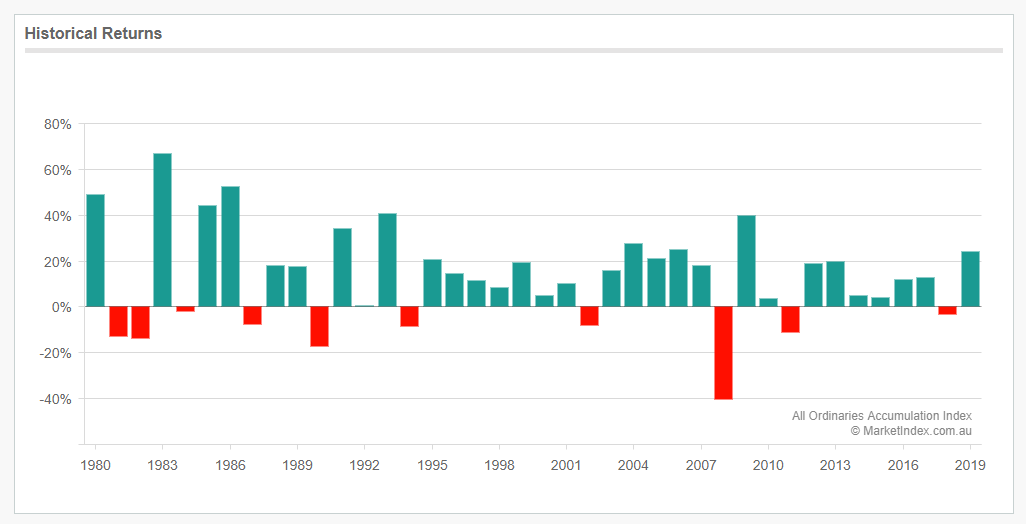
The Australian equity market is the best market in the world based on returns since 1900 according to a recent Credit Suisse study. Australian stocks have historically performed well over the long period with average returns of over 13% per year. I have written about historical returns earlier here and here.

In this post, let’s take a quick at the annual returns from 1980 thru 2019. In most of the years, Australian shares yielded positive returns as shown in the chart below. In fact, the number of positive return years is far higher than the number of years in which stocks lost money.

Click to enlarge

Note: The returns shown above are based on local currency and not US dollars. The index used is the All Ordinaries Accumulation Index which includes dividends reinvested.

Source: Market Index

Related ETF:

  •  iShares MSCI Australia Index Fund (EWA)

Disclosure: No Positions

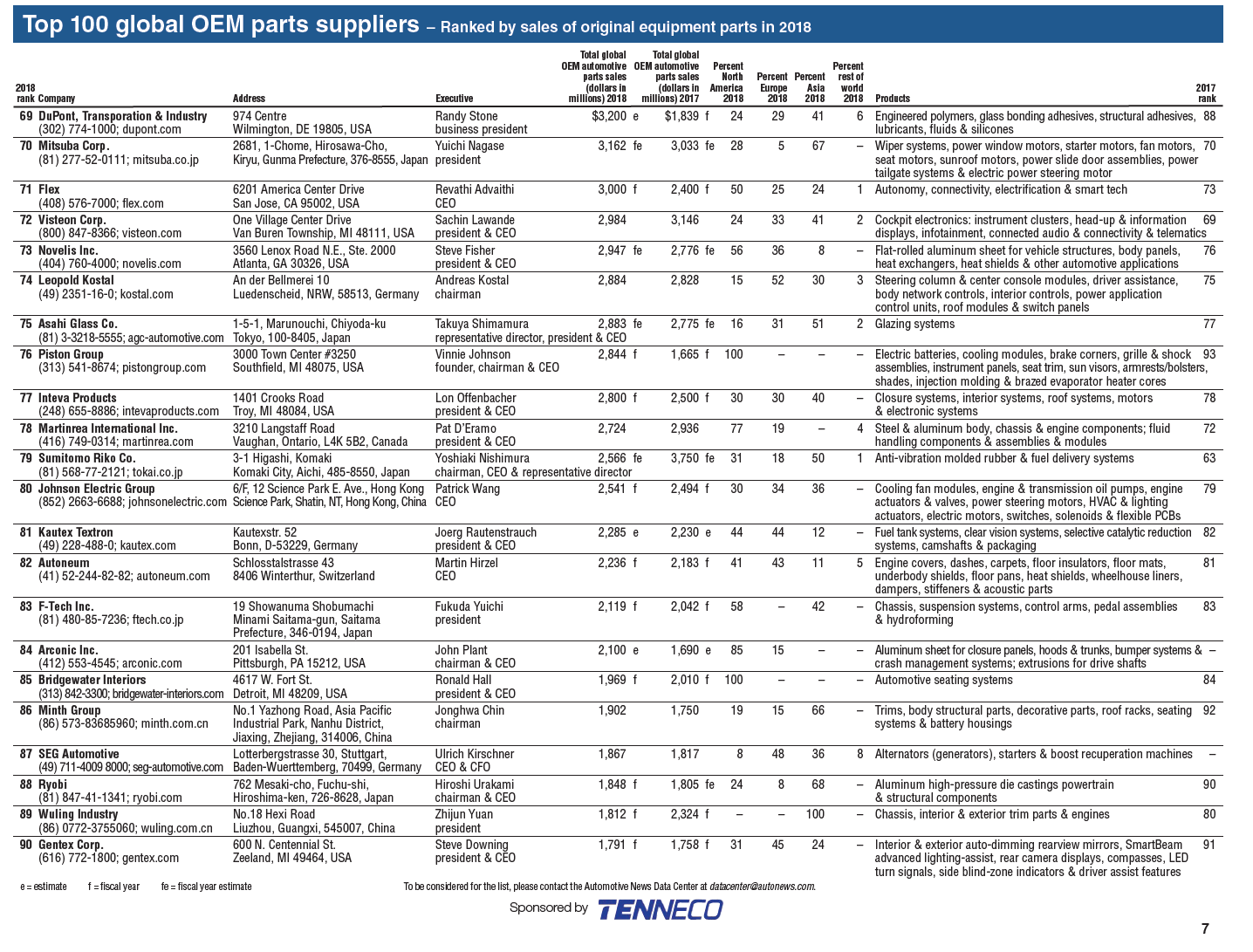
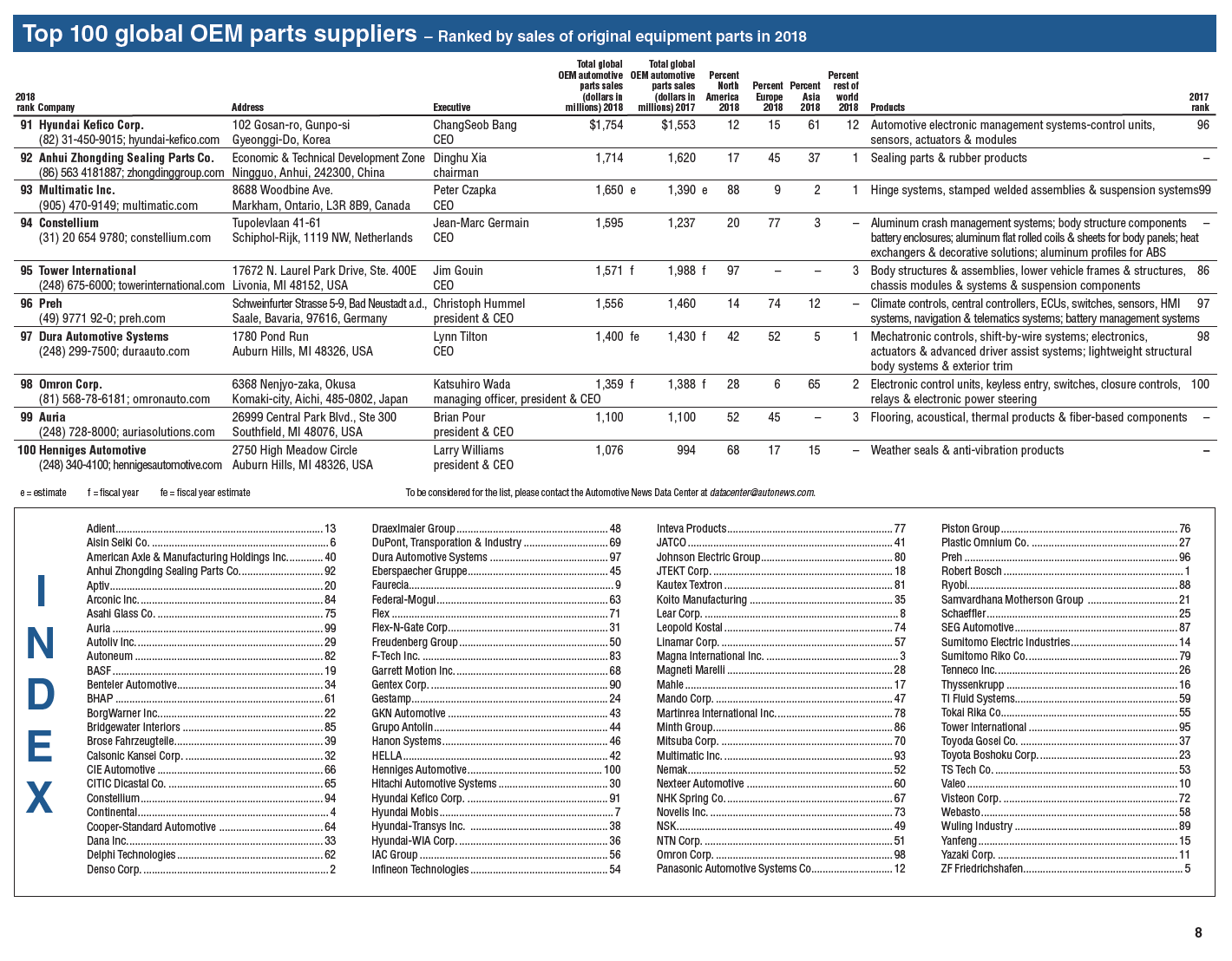
The Top 100 Global Auto Parts Suppliers: Chart

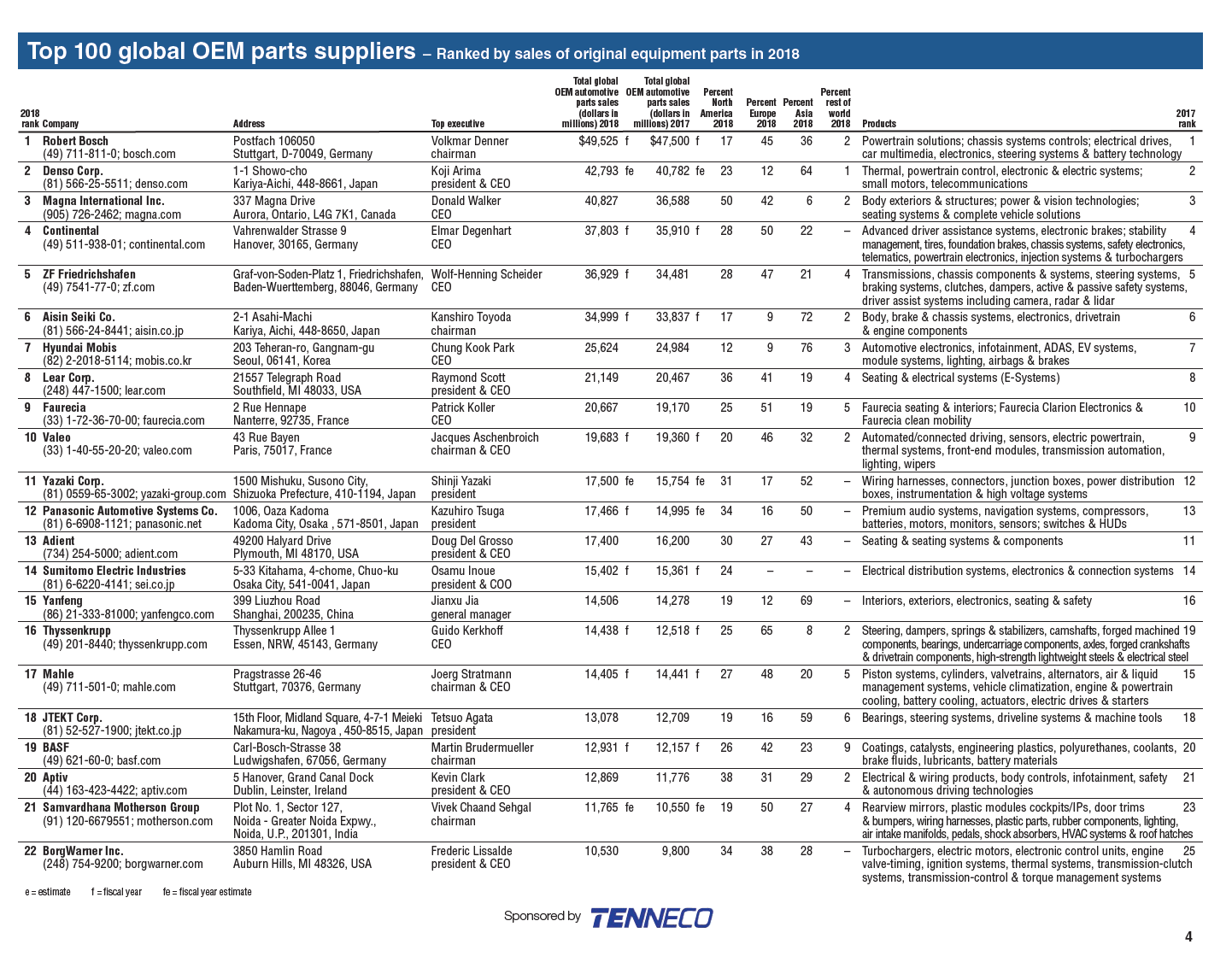
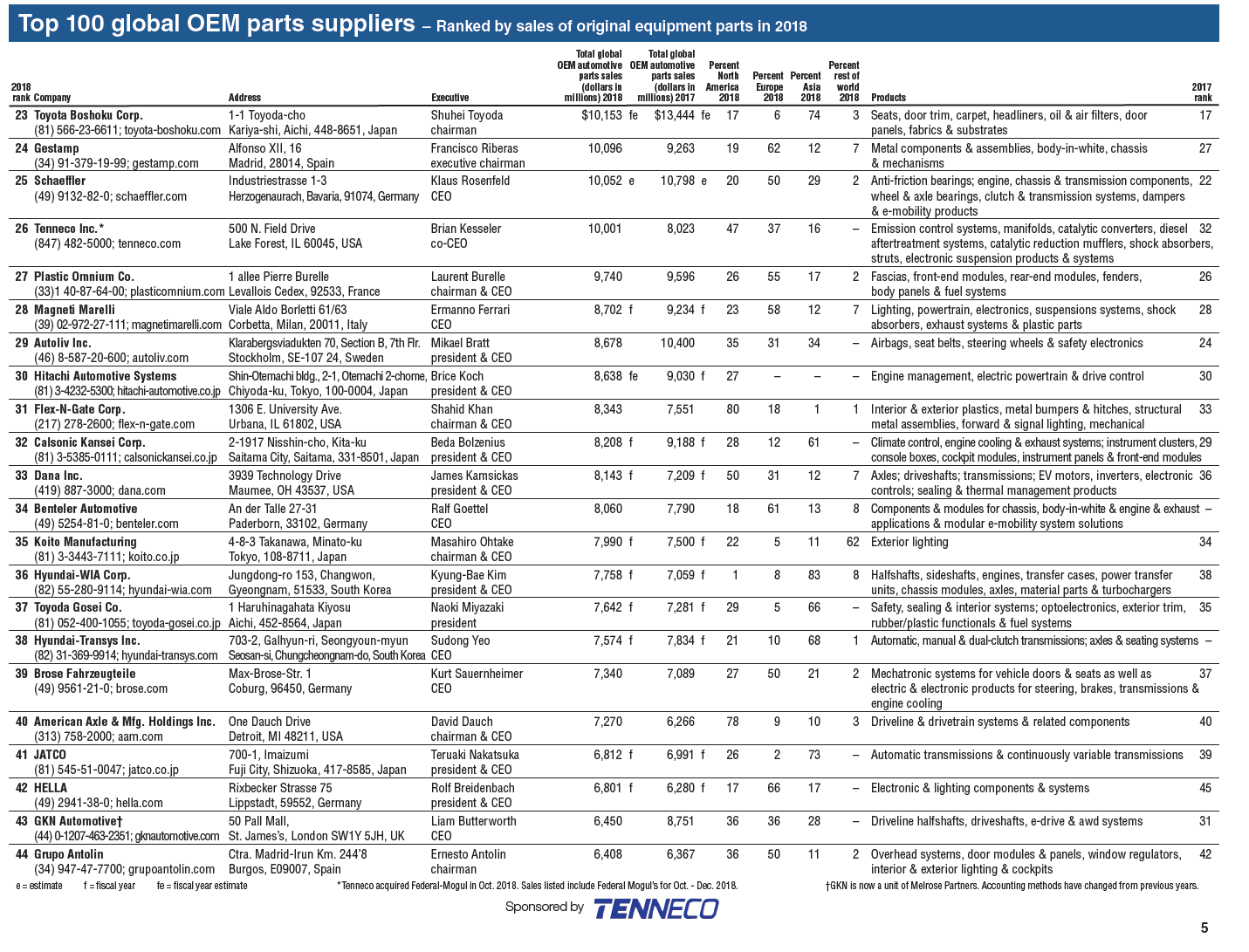
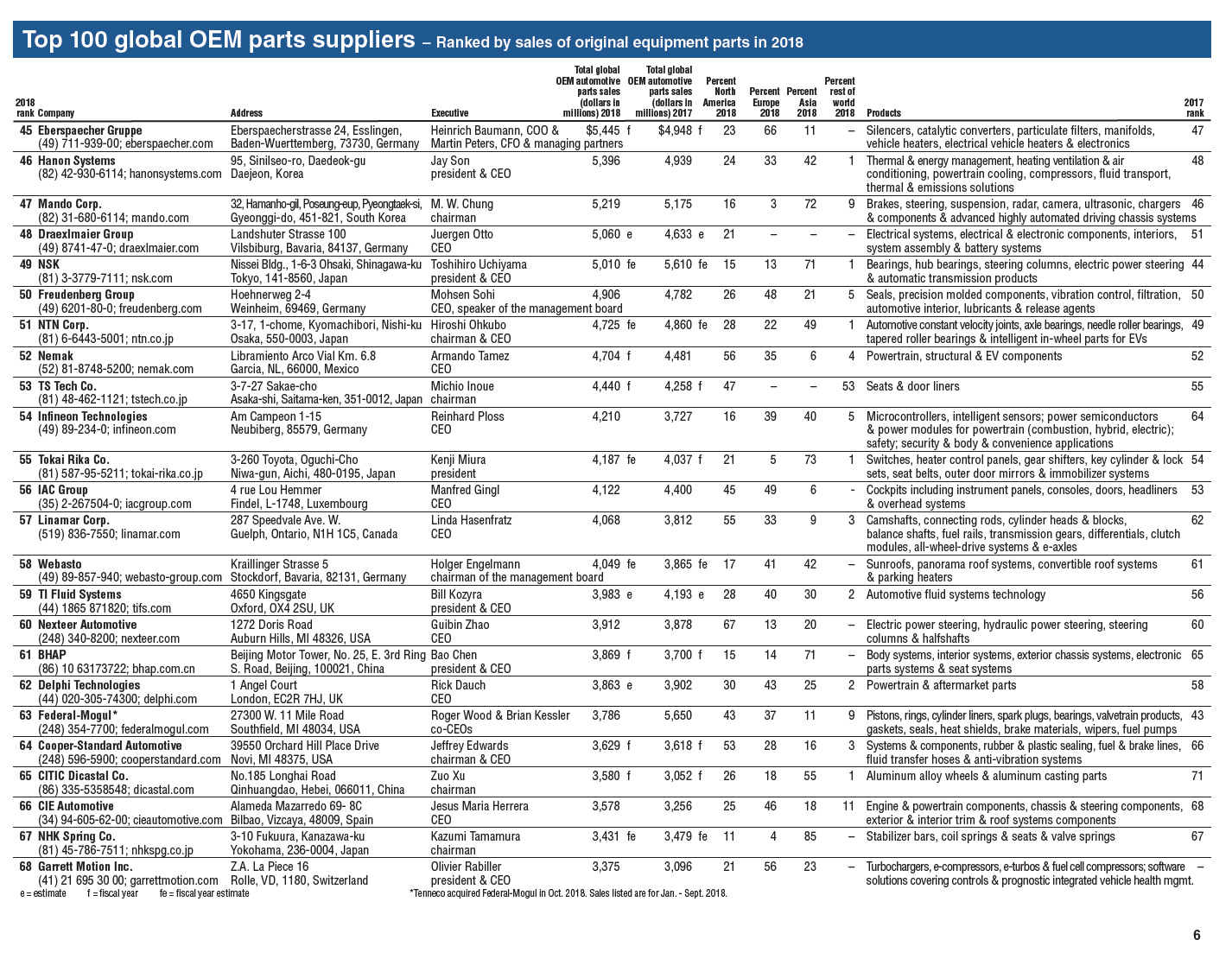
The Top 100 Global Auto Parts Suppliers (OEMs) in 2019 ranked by sales in 2018 are shown in the charts below:

Click to enlarge

Source: Automotive News

Updated – 3/14/21:

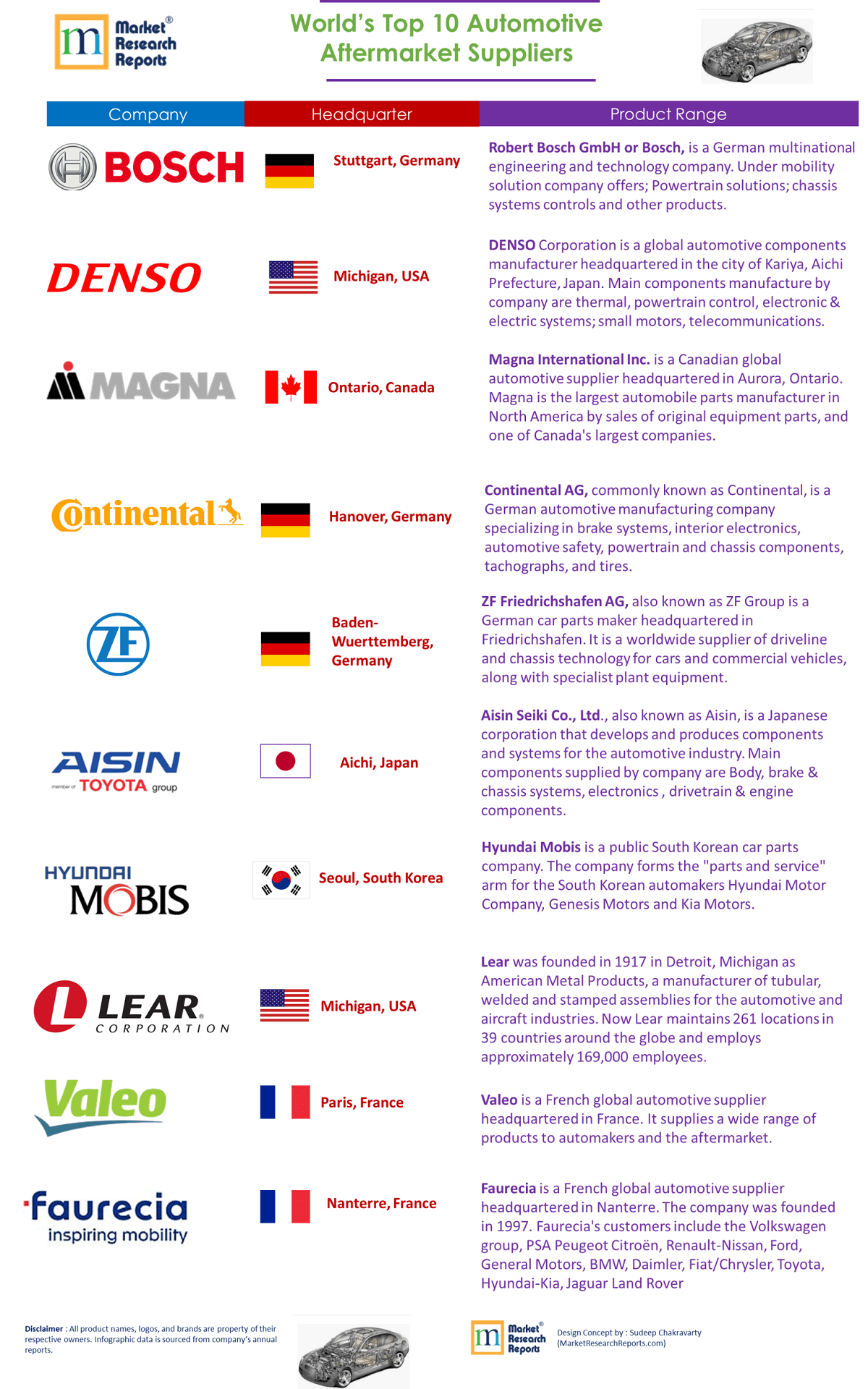
1)The World’s Top 10 Automotive Aftermarket Suppliers: Infographic

You may also like:

Related:

The US Stock Market’s Ten Worst Days And Their Rebounds

Stocks usually rebound sharply after sever declines. The recent dramatic days of plunge was fast and furious. Volatility has indeed returned to the market. What was until a China issue, has become a global problem. The most important factor that changed the calculus on the impact is the spreading of the virus in the US. Below is an excerpt from a Feb 27th article at Citywire:

Ollie Beckett, manager of TR European Growth (TRG) investment trust, has warned of ‘widespread panic’ across stock markets if coronavirus spreads in the US as outbreaks gather pace in Europe and the Middle East.

Global markets suffered heavy falls this week as clusters of coronavirus exploded in Italy, Iran and South Korea, with further cases reported in Tenerife, Austria, and Croatia adding to equity woes.

The majority of the more than 80,000 cases of infection and over 2,700 deaths have so far been contained in China but the Covid-19 virus is making rapid inroads in other countries, particularly in Europe.

The US has had a relatively narrow escape from the virus, and despite registering 53 cases it has not reported any deaths from the illness. US president Donald Trump has played down fears, no doubt cautious about upsetting stock markets which are sensitive to the economic impact the virus is posing, stating the situation is ‘very well under control’.

However, Beckett, who also runs the £226m Janus Henderson European Smaller Companies fund alongside the £451m trust, warned that any escalation of Covid-19 would  hurt markets. Beckett’s portfolio shed 4.6% to trade at 906p per share in the global sell-off and continued to fall – the shares are trading at 898p today.

‘If it gets to the US then we are going to have widespread panic,’ he said. ‘There is no getting away from it.’

Source: Beckett: prepare for ‘widespread panic’ if virus spreads in US, Citywire

Unlike other developed the US is also the most vulnerable to outbreaks due to the morass of a patchwork of thousands of private health care systems. The excellent article below at FT discusses some of the flaws of the US health care system when there is an outbreak.

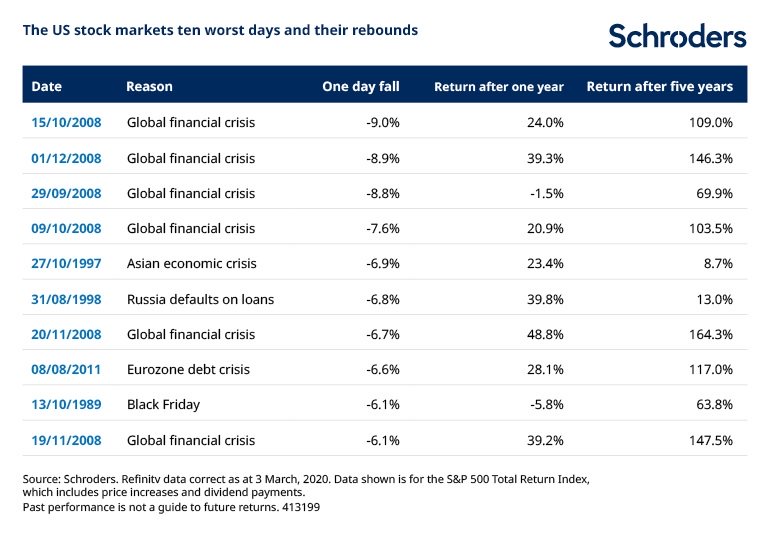
That said, the below table shows the ten worst days of declines in the US equity market and their rebounds:

Source: How stock markets perform after heavy falls by David Brett, Schroders

From the article:

How the stock market bounces back

Using the US stock market as an example, the past three decades show the strongest five-year rebound in the US brought a return of 164%. That is an annualised return of 21% in the five years after a 6.7% fall for the S&P on 20 November 2008.

That date was during a particularly gloomy phase of the 2008-09 financial crisis.

Given the abject mood at the time, investors may have struggled to believe that an investment of $10,000 made in the market at the start of that turbulent day would have grown to $26,400 within five years, before charges.

Of course, past performance is not guaranteed to be repeated in the future. The returns are illustrative and  do not  include any costs or fees. But the data underlines the historic resilience of shares over longer timeframes, even following shocks.

Some US equity ETFs:

  • SPDR S&P 500 ETF (SPY)
  • S&P MidCap 400 SPDR ETF (MDY)
  • SPDR Consumer Discretionary Select Sector SPDR Fund (XLY)
  • SPDR Consumer Staples Select Sector SPDR Fund (XLP)
  • SPDR Energy Select Sector SPDR Fund (XLE)
  • SPDR Financials Select Sector SPDR Fund (XLF)
  • iShares Dow Jones Select Dividend ETF (DVY)
  • SPDR S&P Dividend ETF (SDY)
  • Vanguard Dividend Appreciation ETF (VIG)

Disclosure: No Positions