Important Notice on the Impacts of “DR Law” on Russian ADRs

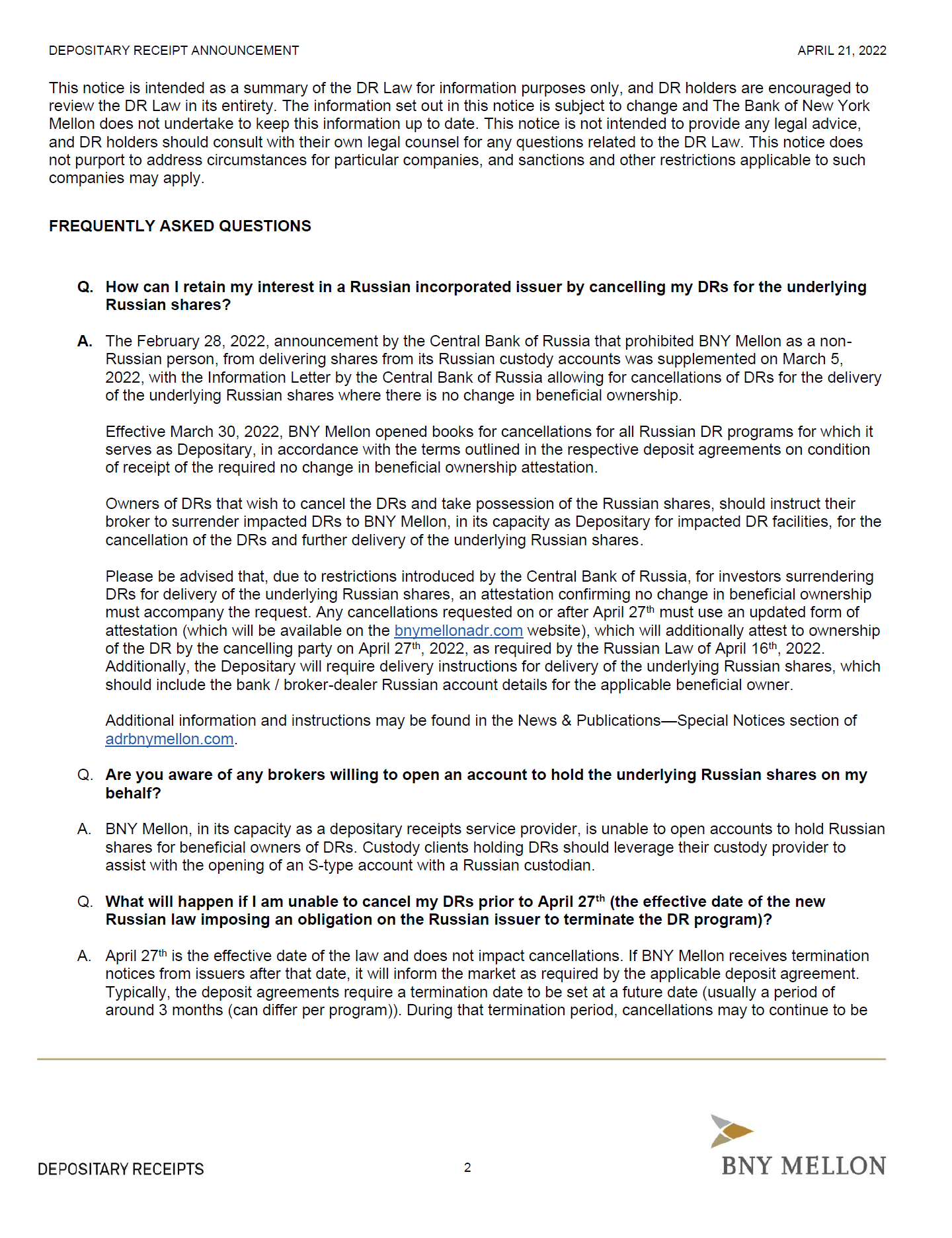
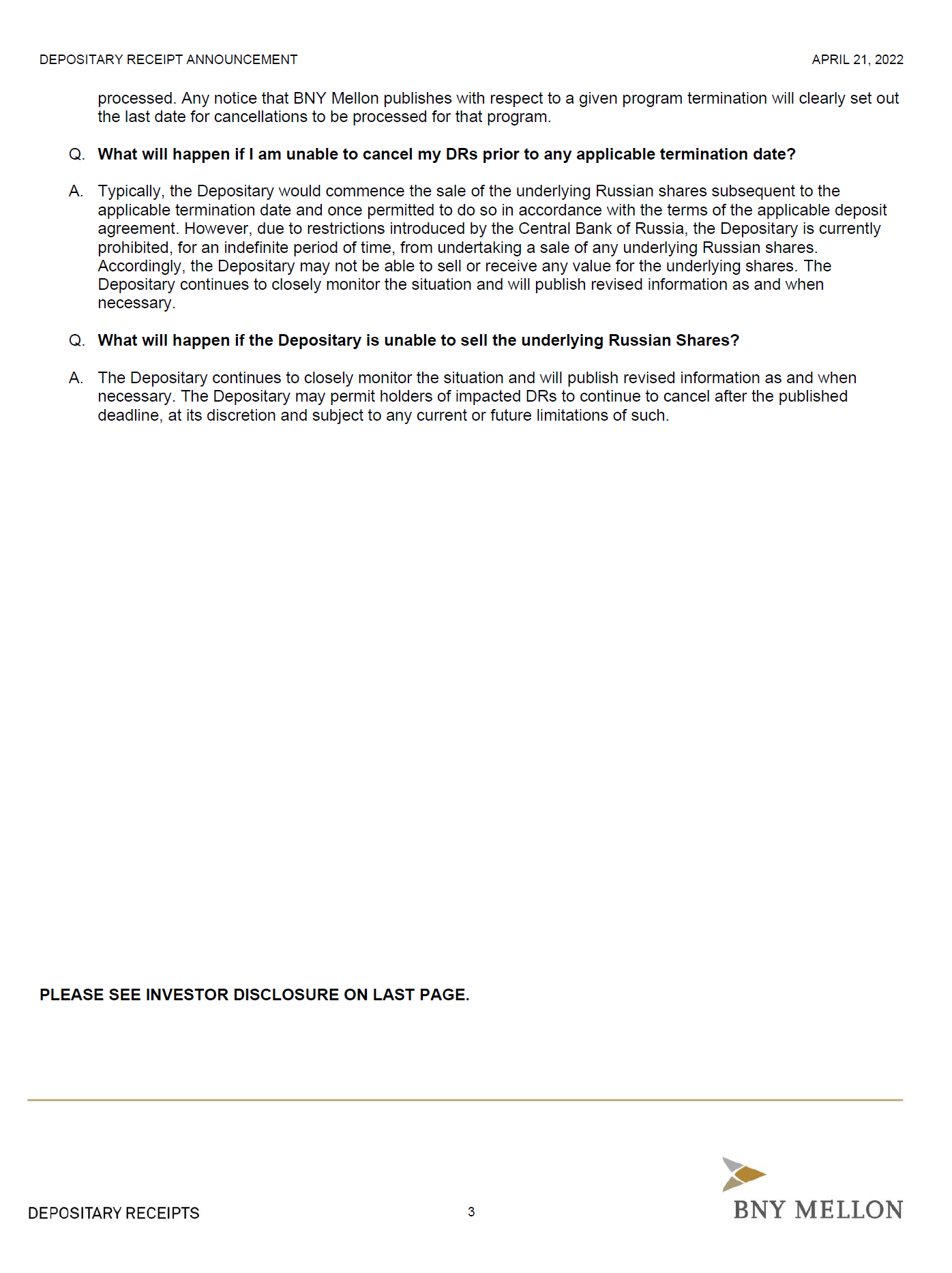
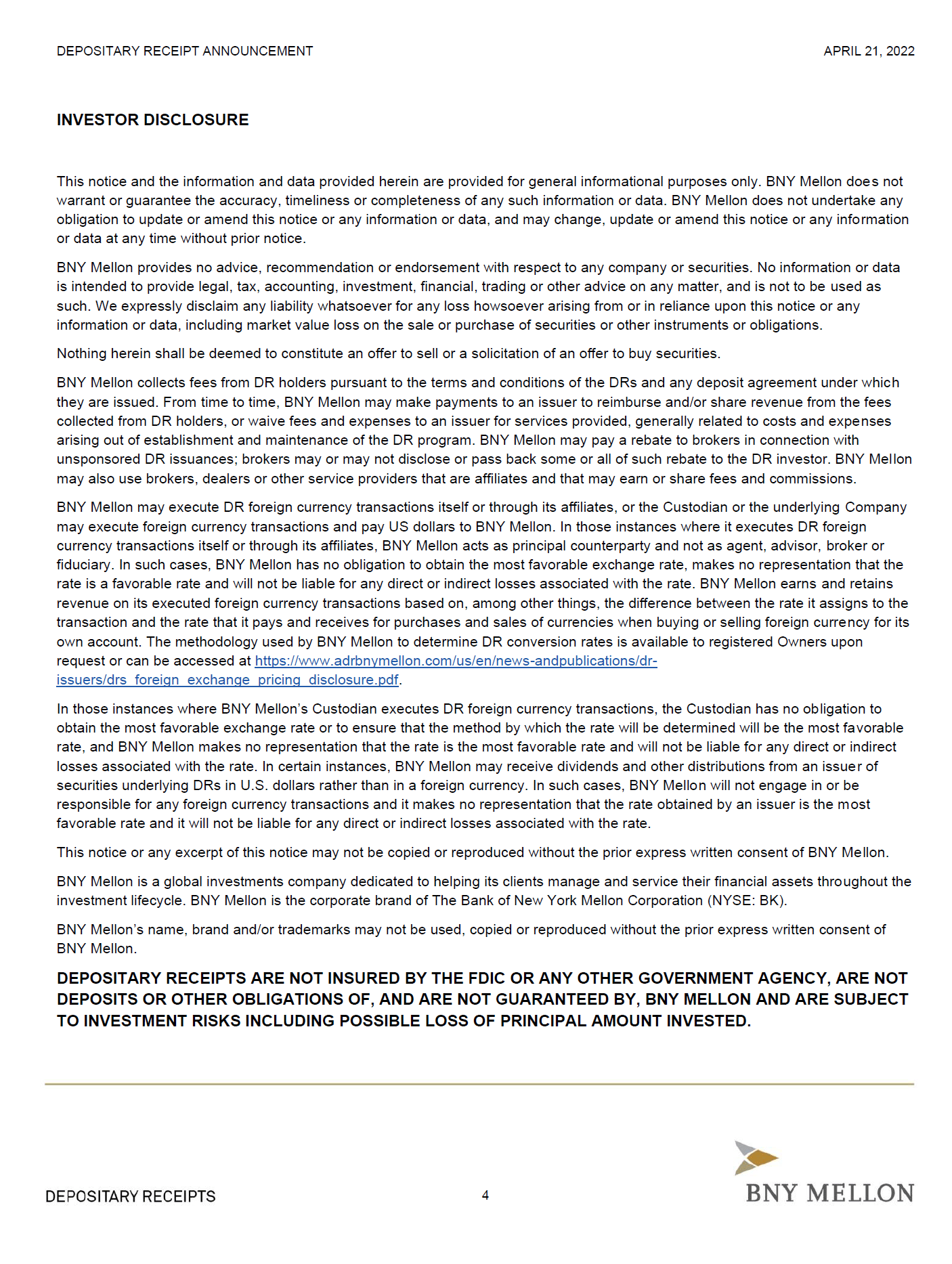
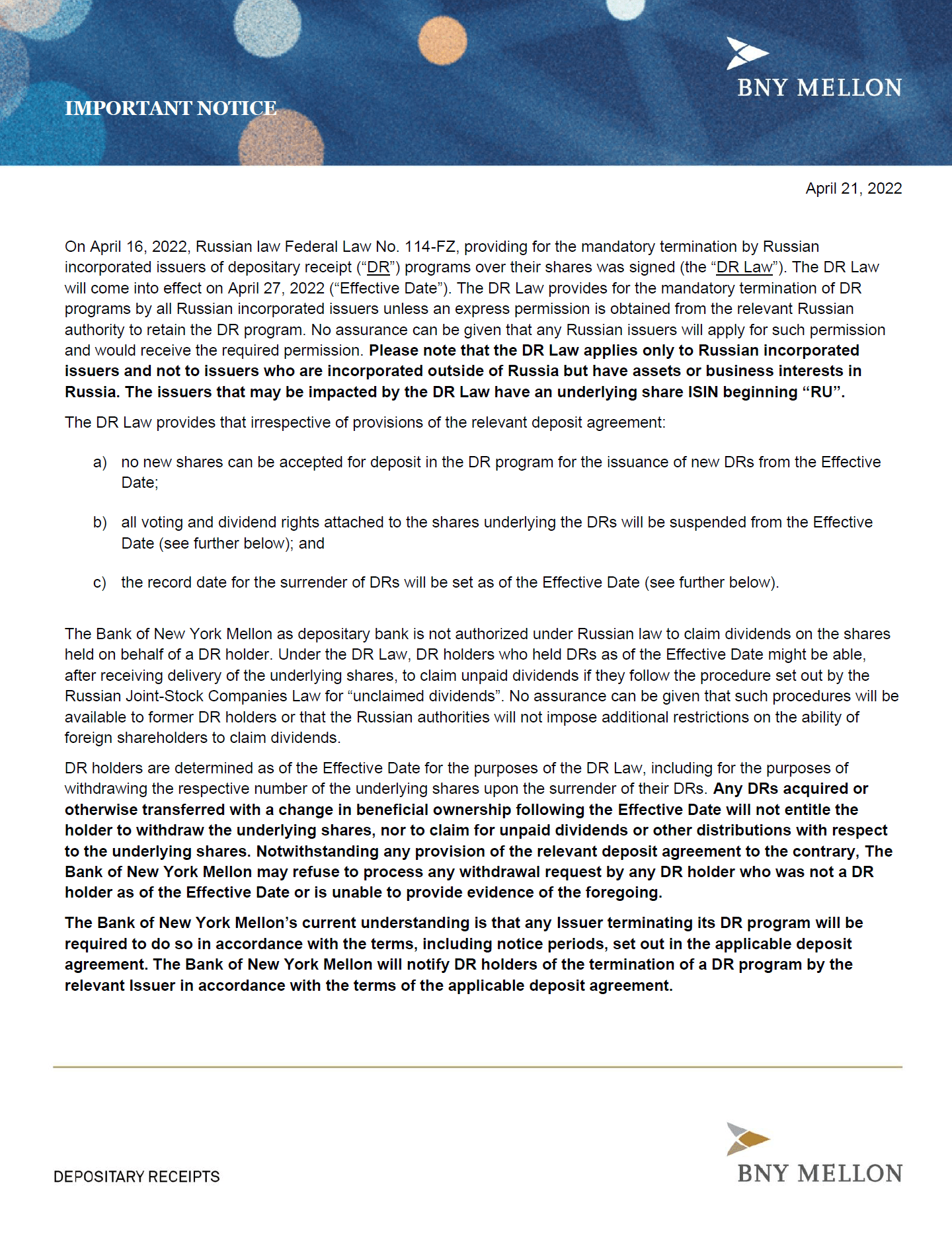
The wild ride for the holders of Russian ADRs continues it many twist and turns. The latest update concerns around the decree signed by President Vladimir Putin on April 16 that requires Russian companies to remove their listings from overseas equity markets. This effectively means the cancellation of Depository Receipt Programs of Russian companies trading on foreign stock markets. BNY Mellon, the depository for many Russian stocks on the US markets published an Important Notice yesterday outlining the impact of this new law on DR holders.

Below is an excerpt from this notice on dividend payments:

The Bank of New York Mellon as depositary bank is not authorized under Russian law to claim dividends on the shares held on behalf of a DR holder. Under the DR Law, DR holders who held DRs as of the Effective Date might be able, after receiving delivery of the underlying shares, to claim unpaid dividends if they follow the procedure set out by the Russian Joint-Stock Companies Law for “unclaimed dividends”. No assurance can be given that such procedures will be available to former DR holders or that the Russian authorities will not impose additional restrictions on the ability of foreign shareholders to claim dividend.

The complete notice is shown in the screenshots below:
Source: BNY Mellon

Related:

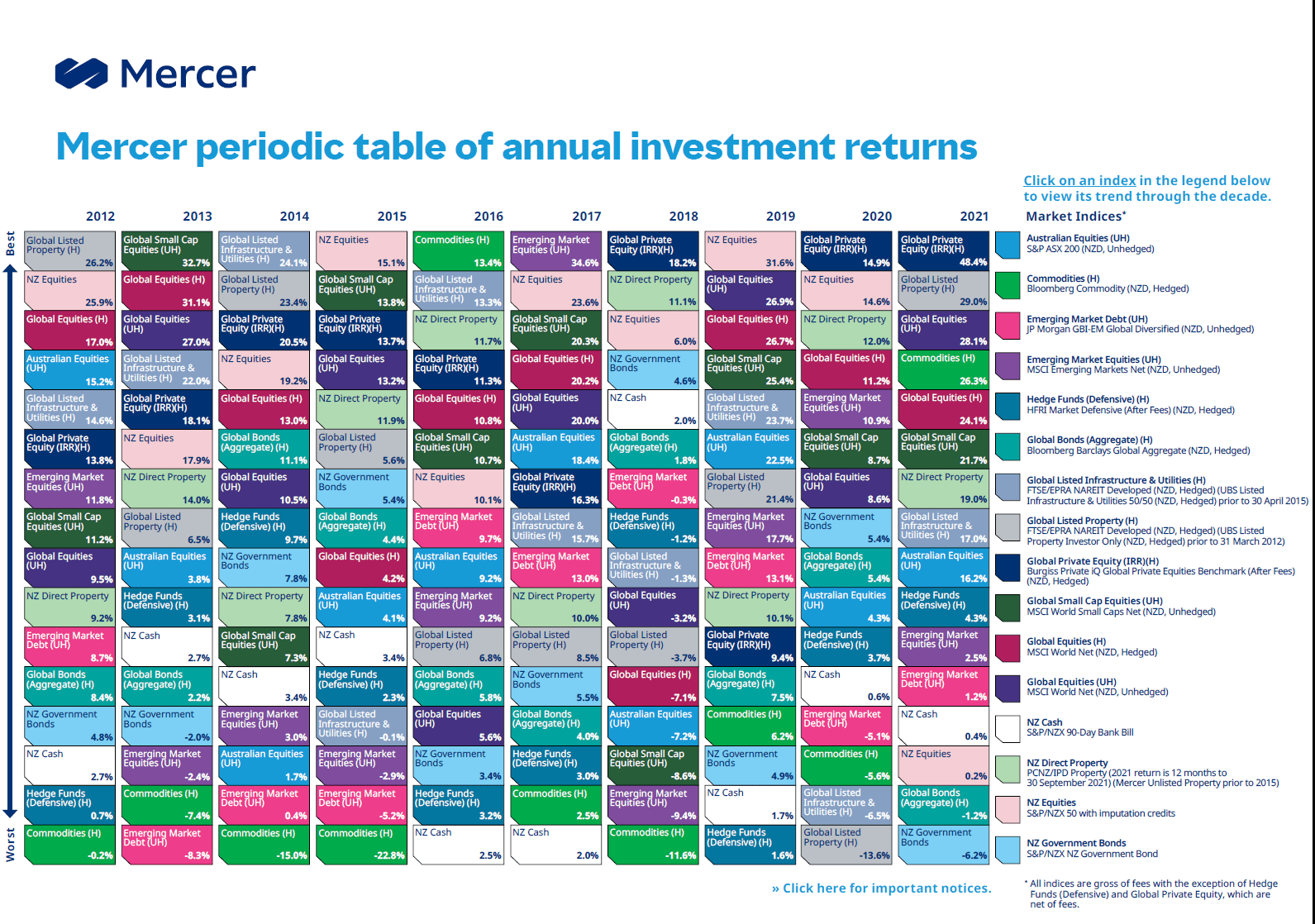
Mercer Periodic Table of Annual Investment Returns for New Zealand Investors 2012 To 2021

The Mercer Periodic Table of Annual Investment Returns for New Zealand Equity Markets from 2012 to 2021 is shown in the chart below. This is similar to the Australian version of this chart we reviewed a few weeks ago.

Click to enlarge

Source: Mercer

An interactive version of the above chart and other valuable charts can be found at their site here.

Related ETF:

  •  iShares MSCI New Zealand ETF(ENZL)

Disclosure: No positions


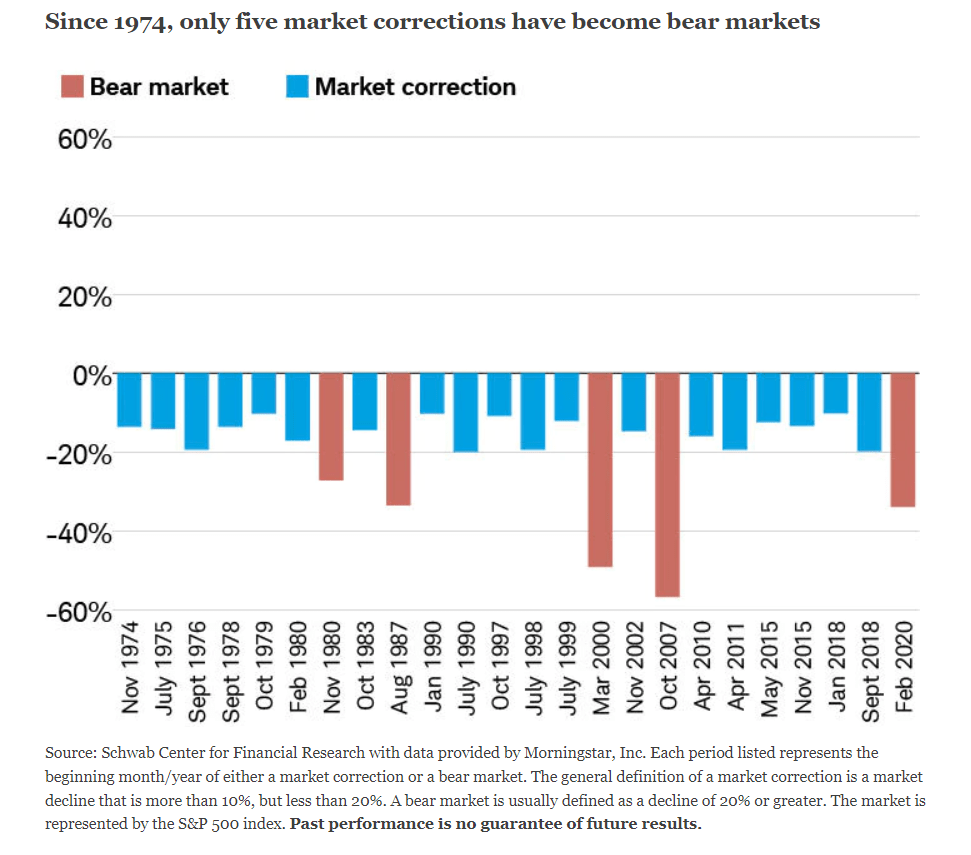
Corrections and Bear Markets: Chart

A correction is defined as a decline of 10% from recent market highs. Bear markets are market declines of 20% or more. Equity markets go through plenty of market corrections over the years. But very few of the corrections actually turn into bear markets.

The following chart shows that since 1974 there have been many corrections but only five turned into bear markets:

Click to enlarge

Source: Market Correction: What Does It Mean?, Schwab

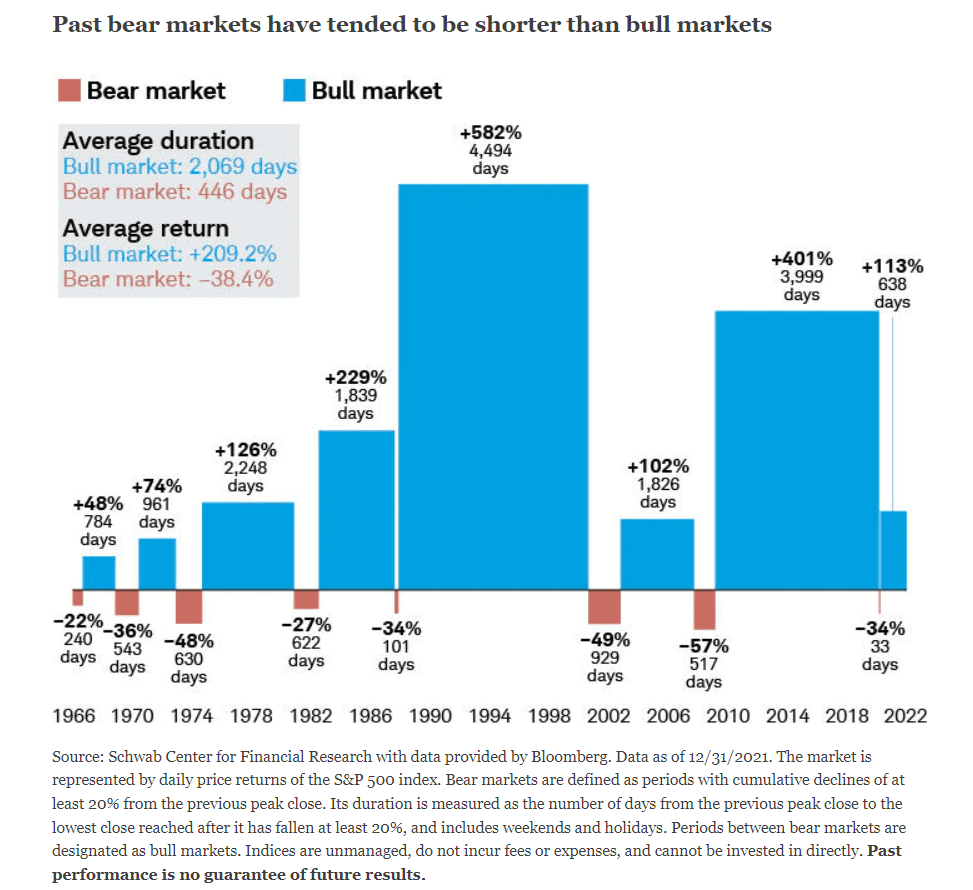
Another important factor to remember is bear markets tend to be shorter than bull markets. This is because stocks usually tend to go up over the long term.

Click to enlarge

Source: Market Correction: What Does It Mean?, Schwab

The key takeaway is that market corrections are normal and is a feature of equity markets. In fact, corrections can also be healthy as they tend to clear out speculators and other short-term traders. For long-term investors the trick for success with equity investing is to endure market corrections and avoid selling out in panic. Patient and smart investors in fact take advantage of corrections to add stocks at cheaper levels. Similarly investors that continue to hold through bear markets can recover the losses when markets eventually recover.

Australia’s Exports Composition Since 1825: Chart

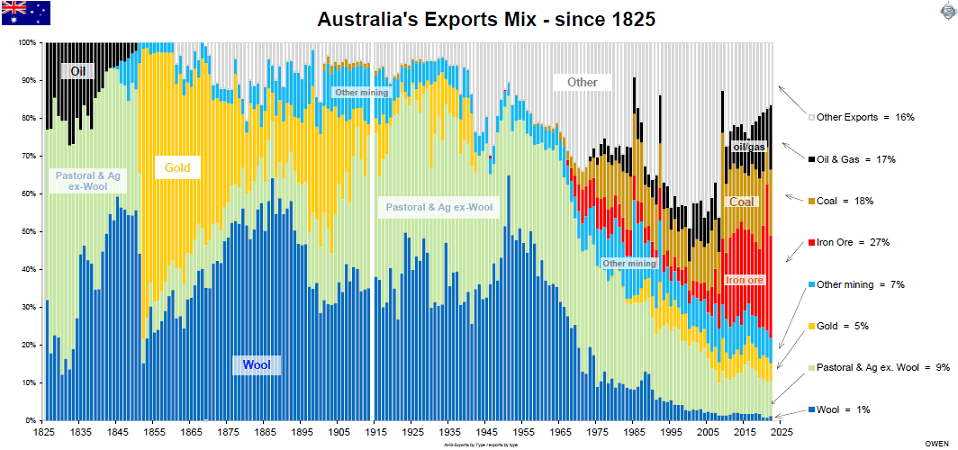
Australia is known as the “Lucky Country” for good reason. It is rich in many natural resources and all one has to do dig them up and export. I came across the following fascinating chart on the Australian export mix in the past two centuries.

Gold and Wool dominated exports for much of the 1800s. Since the 1970s iron ore, coal and oil & gas have become major export commodities.


Click to enlarge

Source: Australia’s bounty: is it just diversified luck? by Ashley Owen, Stanford Brown and The Lunar Group