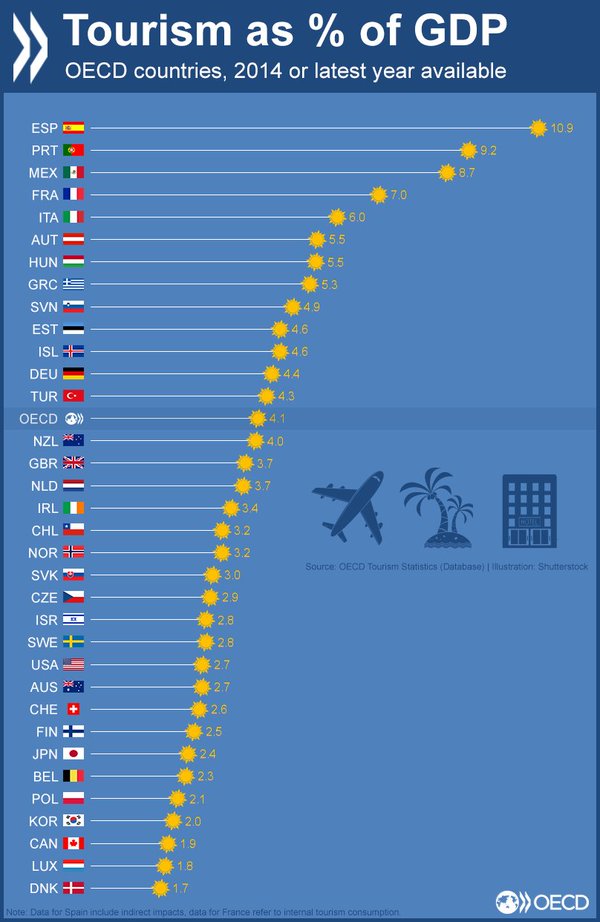
Tourism as a Percentage of GDP in OECD Countries: Chart

Tourism is a major industry in some countries. The industry generates billions of dollars in revenues and offer job opportunities for millions of workers. Some countries such as those in the Caribbean such as the Dominican Republic excel in building the infrastructure needed to promote a vibrant hospitality sector while others do not do well.

Among the OECD countries, Spain tops the ranking in terms of tourism as a percentage of GDP followed by Portugal and Mexico. France, Italy and Greece are also among the top ten. Global tourist destinations such as Barcelona, Milan, Rome, Paris, Greek islands, etc. are currently enjoying a huge growth in tourist arrivals due to terrorism fears and other issues in the Middle East , North Africa and Turkey.

The chart below shows Tourism as a Percentage of GDP among OECD Countries:

Click to enlarge
Tourism ranking in OECD Countries Chart


Source: OECD


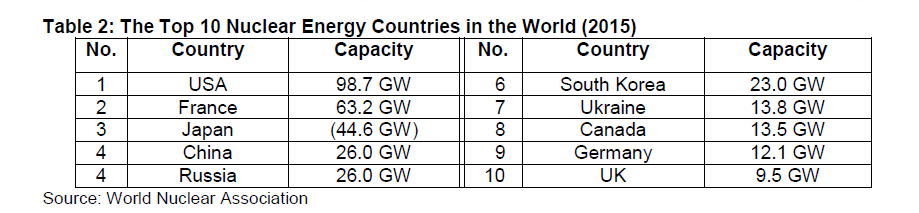
The Top 10 Nuclear Energy Countries in the World 2015

The Top 10 Nuclear Energy Countries in the World based on capacity in 2015 are shown below:

Click to enlarge

worlds-top-10-nuclear-energy-countries-2015

Source: GCC–East Asia Relations in the Fields of Nuclear and Renewable Energy: Opportunities and Barriers, Oxford Institute for Energy Studies

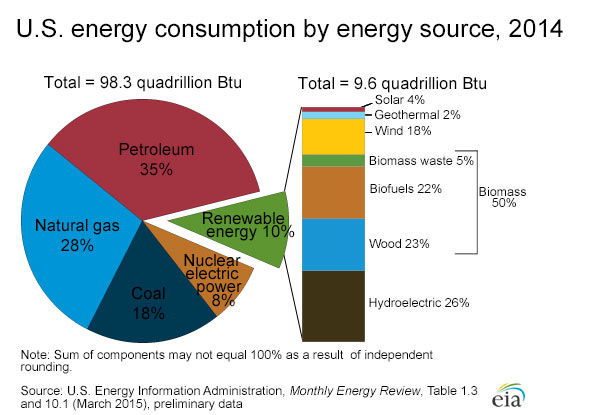
The US is the number one country in terms of nuclear energy capacity. However nuclear energy accounts for only 8% of energy consumption in the US as the following chart shows:

us-energy-sources-2014

Source: EIA

France generates most the electricity from nuclear power. The only developing country in the above list is China. It is surprising that China has the same amount of nuclear energy capacity as Russia which is traditionally a super power in nuclear energy and advanced sciences.

Unemployment Benefits Across OECD Countries: Chart

Unemployment benefits paid out to unemployed workers vary across OECD countries. Generally countries with socialist form of governments pay generous benefits to the unemployed in order to ensure they do not become destitute and are able to maintain their standard of living. However in order to be afford to liberal benefits these countries tax their citizens heavily in the form of social insurance, income tax, value-added tax(VAT), etc.

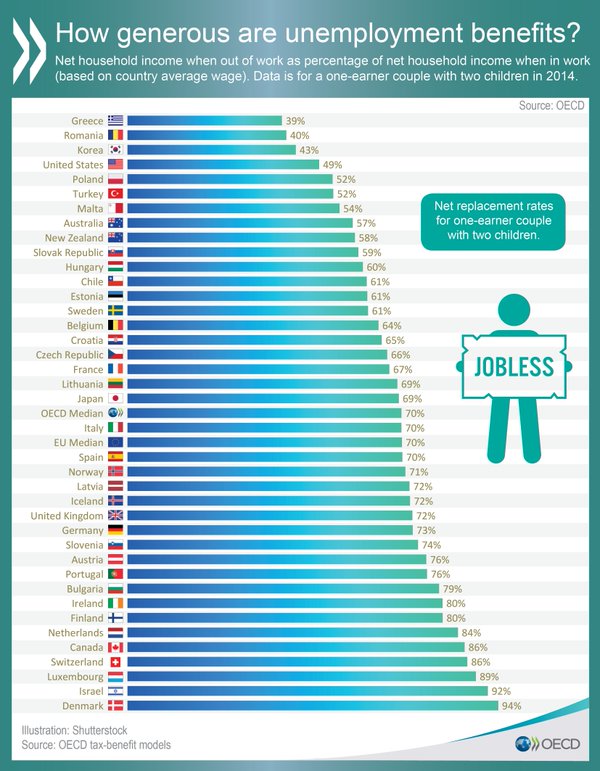
Unemployment benefits paid out to households across OECD countries based are shown in the following graphic:

Click to enlarge

Unemployment benefits across OECD Countries

Source: OECD

Denmark tops the ranking by paying 94% of household income that a family earned when in work. Canada also pays generously for a household meeting the criteria shown in the chart above.

Of the OECD countries, the US ranks the fourth lowest in terms of unemployment benefit payments. Only South Korea, Romania and Greece are worse than the US. The US rate is lower than the OECD median rate of 70%.  One advantage of keeping unemployment benefits low and strict is that it forces the unemployed to find jobs sooner leading to a more productive and vibrant economy. Liberal unemployment benefits can sometimes be abused by some people. For instance, in some small towns in the UK a couple with two children get paid more in unemployment and social benefits than if they worked at a local restaurant or a grocery store. In such cases, they forgo the need to look for jobs and live a comfortable life as dependents of the state. Far from living a humble life with basic human needs, these people have things like the latest smartphones, flat-panel TVs, internet, family minivans, nice house, etc.

Private Health Insurance as a Percentage of Total Current Health Expenditures in OECD Countries

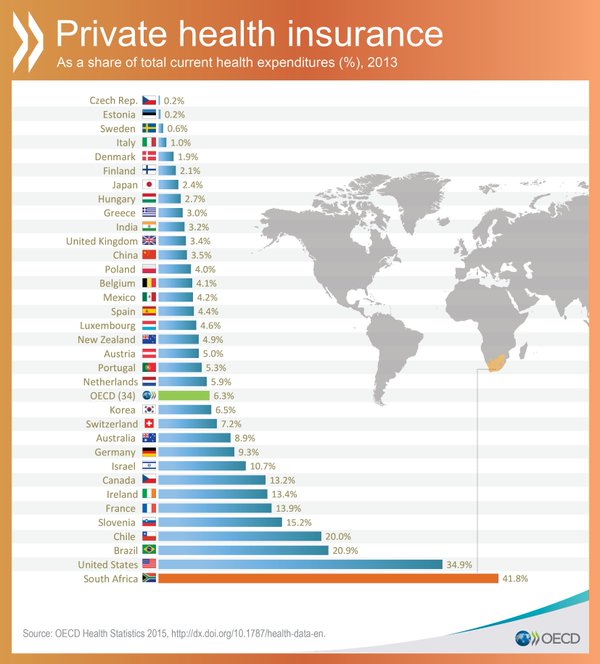
The US spends the most on private health insurance of the total current health expenditures next only to South Africa. Compared to the OECD average rate of 6.3% the USA’s private health insurance rate is 35% – nearly six times more than the average. This is because unlike other countries such as France or Germany or the UK, healthcare in the US is an industry run by the private sector. As a results common worldwide traditions such as a government-run hospital in a town or a city does not exist in the country. The state runs hospitals exclusively for military veterans but only veterans are allowed to use those facilities.

The following chart shows the private health insurance as a % of total health expenditures in OECD countries:

Click to enlarge

Private health Insurance in OECD Countries

Source: OECD via twitter

Emerging Stocks Are Cheaper Than Developed Stocks Now

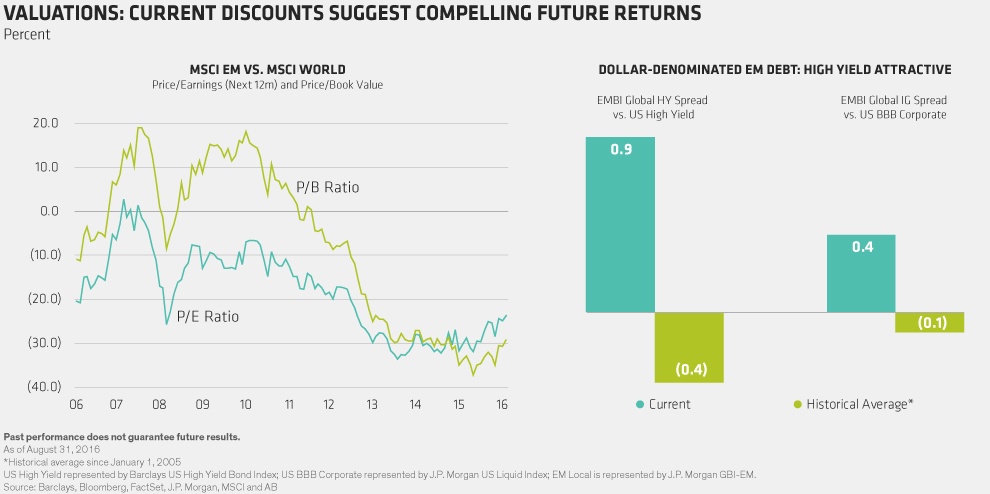
Emerging equity markets have outperformed developed markets so far this year. Major emerging markets such as Brazil, Russia, India, etc. are up by double digit percentage points. China is a laggard with the Shanghai Composite down by 13% as of Sept 9th.

Despite the strong returns year-to-date emerging markets are still attractive on a valuation basis according to an article by Alliance Bernstein. The firm is bullish on EM with the authors noting factors such as improving growth prospects, politics, etc. in addition to the valuation . According to the article emerging markets are cheaper by 24% relative to developed markets.

Click to enlarge

emerging-markets-vs-developed-markets-pe-ratio

Source: Reemerging Markets: Investing in a Developing Recovery, AB Blog

From an investment angle, it is important to note that emerging markets are trading at a discount compared to developed markets because they are still emerging. Developed markets traditionally command a premium. But in the short-term lower valuations can lead to further gains.

While investing in developing stocks it is wise to avoid investing via an index fund. I discussed the reason for this in an earlier article.

Some of the companies investors can consider for research include: Bancolombia S.A. (CIB), Standard Bank Group Limited (SGBLY), HDFC Bank Limited (HDB), Ultrapar Participacoes SA (UGP), etc.

Disclosure: Long CIB